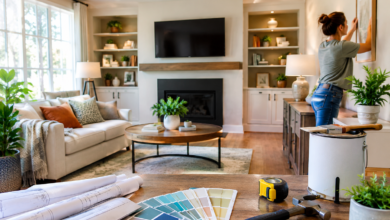
Blog Home Ideas TheHomeTrotters: Creative Ways to Make Your Home Beautiful and Comfortable

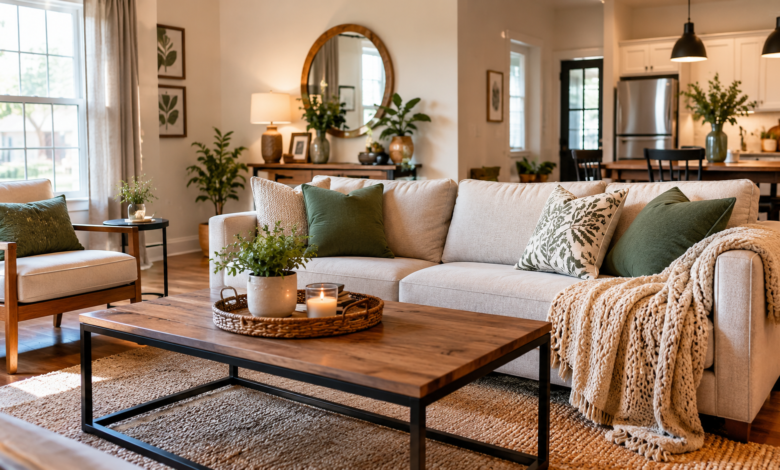
Introduction to Blog Home Ideas TheHomeTrotters
Blog Home Ideas TheHomeTrotters Creating a beautiful home is about more than choosing expensive furniture or following the latest interior design trends. It is about building a comfortable, practical, and welcoming space that reflects your personality. Whether you live in a small apartment, a family house, or a modern home, the right ideas can help you make the most of every corner. This is where blog home ideas TheHomeTrotters becomes an interesting topic for anyone looking for inspiration to improve their living environment.
Home improvement does not always require a complete renovation. Sometimes, changing the furniture arrangement, introducing natural light, adding indoor plants, or updating the color scheme can make a noticeable difference. Small improvements can create a fresh atmosphere without placing too much pressure on your budget. The key is to understand what works best for your space and make thoughtful decisions.
A home should also support your everyday routine. It needs to provide areas for relaxation, work, cooking, entertainment, and spending time with family. By combining creative design with practical solutions, homeowners can develop spaces that look attractive while remaining functional. Exploring different home ideas can help you discover new possibilities and create an environment that feels comfortable throughout the year.
Understanding the Purpose of Home Design
Home design involves arranging furniture, selecting colors, choosing materials, and organizing rooms to improve both appearance and usability. Every decision contributes to the overall atmosphere of a house. For example, a bright room with simple furniture may feel open and peaceful, while a room with darker colors and layered lighting can create a warm and intimate environment.
Good design begins with understanding your needs. A family with young children may prioritize durable furniture, easy-to-clean surfaces, and plenty of storage. Someone working from home might Blog Home Ideas TheHomeTrotters need a quiet office with comfortable seating and reliable lighting. Instead of copying a design exactly as it appears in a magazine, consider how each idea would work in your daily life.
Another important factor is consistency. You do not need to make every room look identical, but using complementary colors, similar materials, and a consistent design style can help your home feel connected. A balanced approach allows each room to maintain its own character while contributing to the overall appearance of the house.
Simple Living Room Ideas for a Modern Home
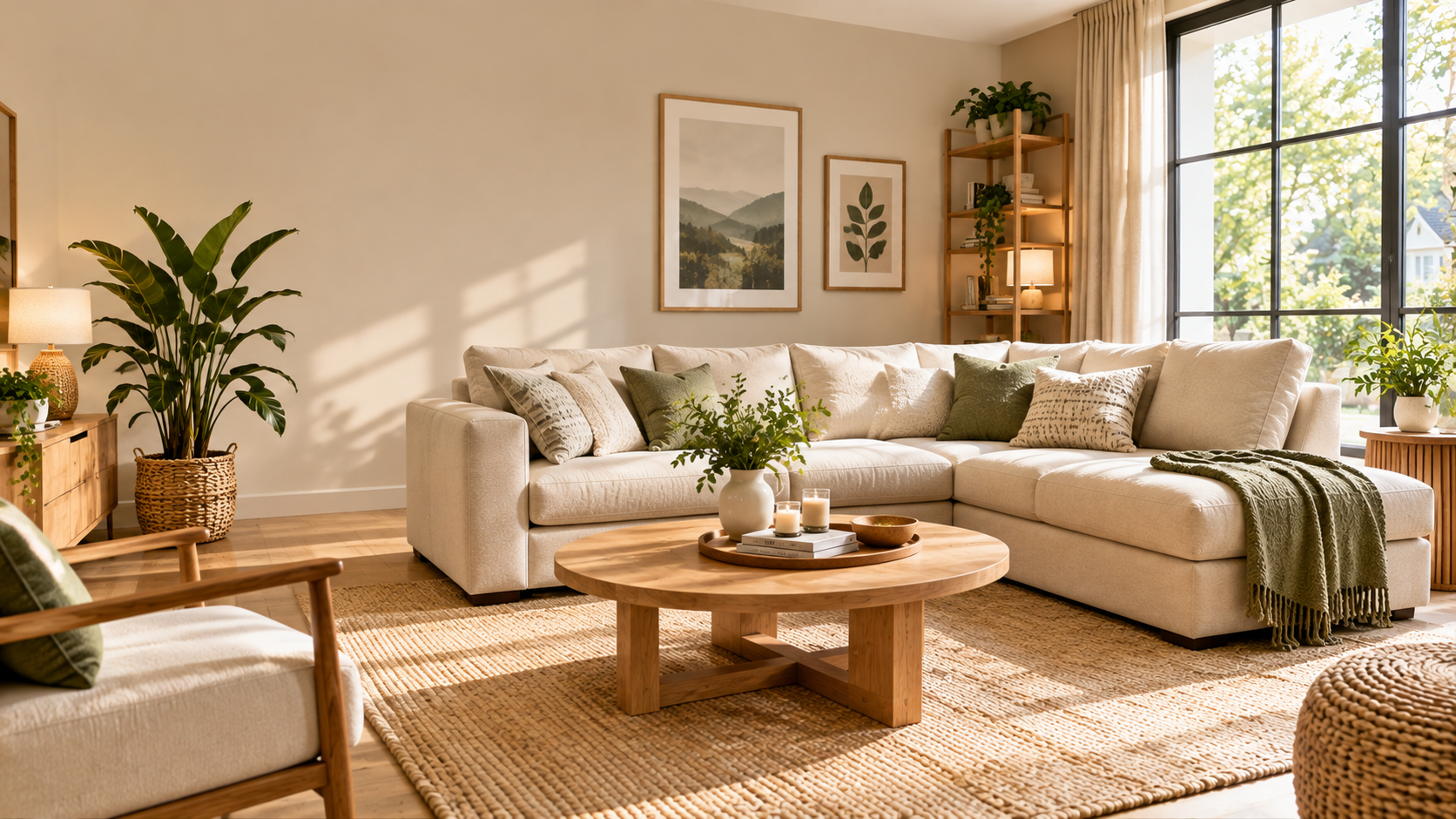
The living room often serves as the main Blog Home Ideas TheHomeTrotters gathering place in a home. It is where people relax after work, welcome guests, watch television, and spend time together. Because the room has several purposes, its design should balance comfort and appearance. Start by selecting furniture that fits the available space rather than choosing oversized pieces that make movement difficult.
Furniture placement can dramatically improve the room’s layout. Position sofas and chairs to encourage conversation, and make sure there is enough space to walk between them. If your living room is small, consider a compact sofa, nesting tables, or furniture with built-in storage. These choices help maintain a tidy appearance without sacrificing usefulness.
Decorative accessories can bring the room together. Cushions, rugs, curtains, artwork, and table lamps introduce texture and personality. However, adding too many accessories Blog Home Ideas TheHomeTrotters can make the space feel crowded. Choose a few pieces that complement one another and leave some open surfaces. This creates a more balanced look while making cleaning and maintenance easier.
Budget-Friendly Home Decoration Tips
Decorating your home does not have to be expensive. With careful planning, you can refresh your surroundings while keeping costs under control. One practical approach is to work with the Blog Home Ideas TheHomeTrotters furniture and accessories you already own. Moving a sofa, changing the position of a bookshelf, or rearranging decorative items can make a familiar room feel new again.
Painting is another effective way to update a space. A fresh coat of paint can brighten a room, make an older interior feel cleaner, or introduce a new design direction. Neutral shades such as cream, beige, and soft gray work well in many settings, while muted greens and blues can add character without overwhelming the room. Before purchasing paint, test a small sample and observe how it looks under different lighting conditions.
Shopping thoughtfully can also help you save money. Look for secondhand furniture, affordable storage baskets, simple wall decorations, and versatile accessories. You can personalize basic items with small modifications instead of paying extra for premium designs. Set a realistic budget before starting a project, and prioritize improvements that offer the greatest benefit to your daily comfort.
Small Space Solutions for Better Organization
Small homes and apartments require careful organization because every square foot matters. When rooms become crowded with unnecessary items, even a well-designed space can feel Blog Home Ideas TheHomeTrotters uncomfortable. The first step is to identify what you genuinely use and remove things that no longer serve a purpose. Keeping fewer unnecessary possessions makes cleaning easier and gives rooms a more open appearance.
Multifunctional furniture is particularly useful in compact spaces. A storage ottoman can provide seating and a place to keep blankets, while a bed with drawers can reduce the need for a separate storage unit. Folding tables, wall-mounted desks, and stackable chairs are other practical choices. These items allow you to adapt a room to different activities without filling it with permanent furniture.
Vertical storage can make a significant difference as well. Shelves, wall hooks, tall cabinets, and over-the-door organizers help you use space that might otherwise remain empty. In a kitchen, Blog Home Ideas TheHomeTrotters vertical racks can organize cooking equipment, while floating shelves can display books or decorative objects in a living room. Keep frequently used items accessible and store seasonal belongings in less convenient locations.
Kitchen Design Ideas That Combine Style and Function
The kitchen is one of the most frequently used areas of a home, so its layout should make everyday tasks easier. Before considering decorative changes, think about how you move between the refrigerator, sink, and cooking area. Keeping these important work zones organized can reduce unnecessary movement and make meal preparation more convenient.
Storage is another essential part of kitchen design. Blog Home Ideas TheHomeTrotters Drawer organizers, labeled containers, shelf dividers, and wall-mounted racks can help keep supplies in order. Group similar items together so that cooking ingredients, utensils, and cleaning products are easy to locate. If counter space is limited, store appliances that you rarely use in cabinets rather than leaving everything on display.
You can also improve the kitchen’s appearance through simple decorative choices. Clean cabinet handles, coordinated dishware, attractive lighting, and a small collection of herbs can create a fresh Blog Home Ideas TheHomeTrotters atmosphere. Natural materials such as wood and stone can add warmth, while lighter colors may help a compact kitchen feel brighter. The best design is one that remains easy to clean and practical for everyday cooking.
Bedroom Ideas for a Relaxing Atmosphere
A bedroom should provide a peaceful environment where you can rest and recharge. Creating this atmosphere begins with reducing clutter and choosing comfortable bedding. Soft sheets, supportive pillows, and a suitable mattress can make the room more inviting. Select bedding colors that help you feel relaxed rather than choosing a trend simply because it is popular.
Lighting also influences the mood of a bedroom. Bright overhead lights are useful when cleaning or getting dressed, but softer bedside lamps can create a more comfortable atmosphere in the evening. Blog Home Ideas TheHomeTrotters Blackout curtains may help reduce unwanted light, especially if outdoor lighting or early morning sunshine affects your sleep. Where possible, allow natural daylight into the room during the day.
Keep decorations simple and meaningful. A framed photograph, a favorite piece of artwork, or a small plant can add personality without creating visual clutter. If your bedroom is small, choose Blog Home Ideas TheHomeTrotters bedside furniture that fits the available space and use under-bed storage for items you do not need every day. A tidy, comfortable bedroom can become one of the most enjoyable areas of your home.
Using Indoor Plants to Bring Nature Inside
Indoor plants are a popular way to introduce natural beauty into a home. Their different leaf shapes, colors, and textures can make plain interiors feel more lively. Plants also work with many decorating styles, including minimalist, contemporary, rustic, and traditional designs. Even one carefully placed plant can become an attractive feature in a room.
When choosing indoor plants, consider the amount of natural light available. Some plants grow well in bright indirect light, while others tolerate lower-light conditions. Watering needs also vary, so select varieties that suit your routine and experience level. Snake plants and pothos are often considered approachable options for beginners, although their exact care requirements still depend on the growing environment.
Plant placement should be both attractive and practical. Use a sturdy plant stand, a suitable windowsill, or a corner that receives appropriate light. Avoid overcrowding furniture with too many Blog Home Ideas TheHomeTrotters pots, and make sure containers have suitable drainage when required. If you have children or pets, check whether a particular plant is toxic before bringing it into your home.
Improving Natural Light and Indoor Lighting
Lighting can change how a home looks and feels. Natural daylight often makes rooms appear more open and welcoming, while poor lighting can leave even a beautifully decorated space feeling dull. Blog Home Ideas TheHomeTrotters Start by keeping windows clean and using curtains that allow daylight to enter when privacy requirements permit. Avoid placing large objects directly in front of windows if they block valuable sunlight.
Mirrors can help distribute light throughout a room when positioned thoughtfully. A mirror placed opposite or near a window may reflect incoming daylight and create a greater sense of brightness. Light-colored walls, reflective surfaces, and uncluttered window areas can support the same goal. These changes are especially helpful in smaller rooms or spaces with limited natural light.
Artificial lighting should serve different purposes. General lighting illuminates the room, task lighting supports activities such as reading or cooking, and accent lighting highlights artwork or Blog Home Ideas TheHomeTrotters architectural details. Combining these layers gives you greater control over the atmosphere. Energy-efficient LED bulbs are another practical option because they generally use less electricity than traditional incandescent bulbs.
Creating a Productive Home Office
Working from home has made a dedicated workspace valuable for many people. Even if you do not have a separate office, you can create a productive work area in a quiet corner of a bedroom or Blog Home Ideas TheHomeTrotters living room. The goal is to establish a space that supports concentration without interfering too much with the rest of your home.
Start with a desk that provides enough room for your computer, documents, and other essential equipment. Choose a chair that supports a comfortable working posture, and position your screen to reduce unnecessary neck movement. Whenever possible, place the desk near natural light while avoiding direct glare on the display. Keep frequently used items within reach to reduce distractions during work.
Organization is equally important. Cable clips, document holders, desk organizers, and small storage boxes can help maintain a clean workspace. Add a personal touch with a framed photograph or a low-maintenance plant, but avoid filling the desk with unnecessary decorations. A well-organized office can make it easier to separate working hours from relaxation time.
Sustainable Home Improvement Ideas
Sustainable home design focuses on using resources thoughtfully and reducing unnecessary waste. You can begin with everyday habits, such as switching off unused lights, repairing leaking taps, and Blog Home Ideas TheHomeTrotters choosing durable household products. These changes may seem small, but they can support a more efficient home over time.
When purchasing furniture or decorations, consider durability and repairability instead of looking only at the initial price. Solid construction, replaceable components, and timeless designs may help an item Blog Home Ideas TheHomeTrotters remain useful for longer. Reusing existing furniture, purchasing secondhand pieces, and donating unwanted belongings are also practical ways to reduce waste.
Energy efficiency can be improved through appropriate insulation, Blog Home Ideas TheHomeTrotters sealing drafts, using efficient lighting, and selecting energy-efficient appliances when replacements are necessary. The most suitable improvements depend on your climate, building design, and budget. Rather than renovating everything at once, choose changes that address your home’s biggest sources of discomfort or wasted energy.
Seasonal Home Decoration Ideas
Changing a few decorative details with the seasons can keep your home Blog Home Ideas TheHomeTrotters feeling fresh without requiring major purchases. During warmer months, lightweight fabrics, fresh flowers, and breathable curtains can create a brighter atmosphere. Rearranging cushions and removing heavy decorative layers may also help rooms feel less crowded.
In cooler months, textured blankets, comfortable rugs, and warm-toned accessories can make living areas feel more inviting. You might introduce deeper colors through cushion covers, table runners, or small decorative objects. These seasonal updates are relatively easy to reverse when the weather changes, which makes them Blog Home Ideas TheHomeTrotters useful for people who enjoy experimenting with interior design.
The key is to reuse what you already have. Store seasonal accessories carefully and rotate them instead of buying an entirely new collection every few months. Natural materials, simple Blog Home Ideas TheHomeTrotters decorations, and a consistent color palette can help seasonal changes feel coordinated rather than overwhelming.
Common Home Decorating Mistakes to Avoid
One common mistake is purchasing furniture before measuring the room. A sofa or dining table may look attractive in a showroom but become impractical when placed in a smaller home. Measure the available area, consider doorways and walking paths, and check the dimensions of furniture before buying it. Planning ahead can prevent expensive returns and uncomfortable layouts.
Another mistake is choosing decorations without considering Blog Home Ideas TheHomeTrotters how they work together. Too many colors, patterns, and materials can create a disorganized appearance. This does not mean every room must be plain or minimalist. Instead, establish a basic color palette and introduce contrast through a few carefully selected accessories.
Ignoring storage and lighting can also reduce the success of a decorating project. A beautiful room may still feel inconvenient if everyday belongings have no proper place or if the lighting is Blog Home Ideas TheHomeTrotters unsuitable for common activities. Consider these practical requirements from the beginning rather than treating them as problems to solve after the decoration is complete.
How to Plan Your Home Improvement Project
Successful home improvement starts with a clear goal. Decide whether you want to make a room more comfortable, improve storage, update its appearance, or reduce energy use. Once you know the main objective, list the changes that would make the greatest difference. This prevents you from spending money on minor details while ignoring more important problems.
Next, establish a realistic budget and divide it into categories Blog Home Ideas TheHomeTrotters such as materials, furniture, tools, and professional services. Keep a small allowance for unexpected costs, particularly when working on plumbing, electrical systems, or structural elements. For safety-critical tasks, use qualified professionals rather than attempting work beyond your experience.
Finally, complete the project in manageable stages. Begin with cleaning, decluttering, and measuring, then move on to repairs, furniture placement, lighting, and decorative details. Taking photographs before and after each stage can help you evaluate your progress. A gradual approach makes home improvement easier to manage and gives you more opportunities to adjust your plans.
Conclusion
Blog home ideas TheHomeTrotters represents an appealing topic for people who want to make their living spaces more attractive, comfortable, and functional. From simple living room updates Blog Home Ideas TheHomeTrotters to clever storage solutions, better lighting, indoor plants, and sustainable improvements, there are many ways to create a home that supports your everyday needs. The most effective ideas are often those that solve real problems while reflecting your personal style.
You do not need a large budget or a professional designer to begin improving your home. Thoughtful furniture placement, organized storage, coordinated colors, and a few meaningful decorative details can make a noticeable difference. By focusing on practical changes and avoiding unnecessary purchases, you can create a more welcoming environment at a pace that suits your finances and lifestyle.
Ultimately, a successful home is not defined by its size, price, or resemblance to a magazine photograph. It is defined by how well it supports the people who live there. Start with one room, choose a manageable improvement, and build on your progress over time. With patience and creativity, even small changes can help transform an ordinary house or apartment into a place that feels genuinely like home.